

What Does It Mean to be a Modern Cruise Seafarer?
It is not an overstatement to say working in the Maritime Industry can be very difficult, with its long hours and responsibilities, it may not be for everyone. And yet those that work in the industry do so for many years, even decades, creating for themselves fulfilling careers. Seafarers that work on cargo ships have tasks like monitoring, loading, stowing and discharging cargo, among other tasks such as maintenance, emergency response and ship navigation. (SecureWest International, 2024)
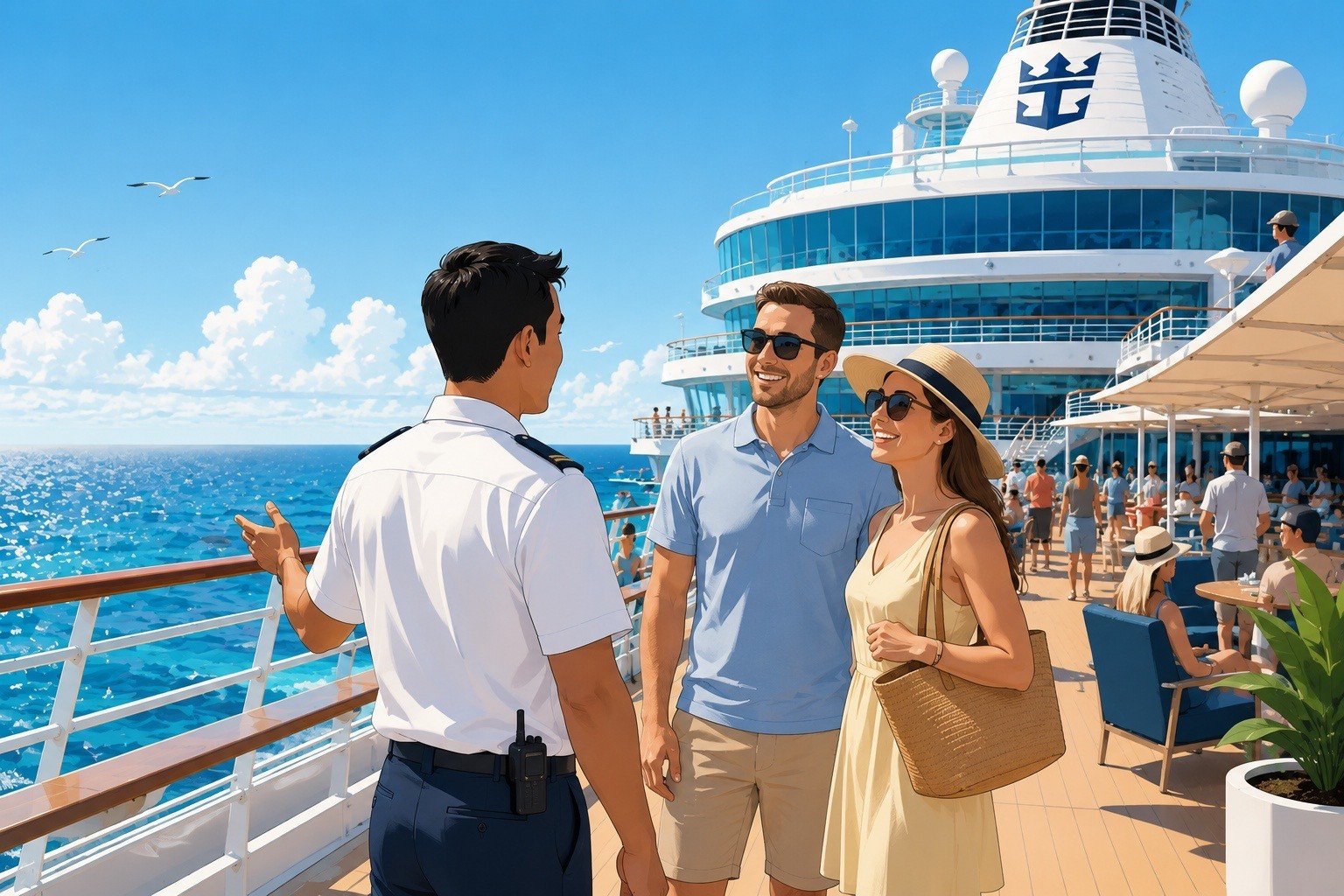
On the other hand, seafarers working in the cruise industry have the added responsibility of ensuring the safety of passengers onboard their vessels, as well as additional positions not found in cargo ships, such as hotel positions, which provide services to passengers on cruise ships. Apart from being trained to safely operate a ship, they are also trained to manage people under their care in moments of crisis on board a ship. To ensure that seafarers working in the cruise industry have the necessary training and resources to accomplish the important responsibility of keeping every passenger safe onboard a ship, The International Convention on Standards of Training, Certification and Watchkeeping for Seafarers (STCW) was adopted and enforced in 1984 to introduce new technologies and operational requirements. The framework established by the STCW provides essential training and certification for seafarers, which in turn enhances the safety and security of cruise ships worldwide. (International Maritime Organization, n.d.)
In 2016, amendment drafts were agreed for the STCW and its code. The sub-Committee on Human Element, Training and Watchkeeping (HTW) agreed to the requirement of crew serving on cruise ships to have completed passenger ship emergency familiarization. Training such as damage control drills, which are conducted as if they are actual emergencies, that simulate different damage conditions on board the vessel. (International Maritime Organization, 2016) Casualty prevention is a focus for companies building new cruise ships, and amendments were added in the early 2000s with this in mind. These amendments focused on alternative ship designs to improve onboard safety, as well as centers where safety systems can be operated and monitored. Fire safety, detection and prevention, which include orderly evacuation were also added in these amendments. All of this, as well as other additional guidelines, went a long way in ensuring seafarers have the knowledge and protocols that were needed to do their job safely. (International Maritime Organization, 2006)
The safety of passengers onboard is a high-priority responsibility for seafarers working on cruise ships. The “human element” of their positions is unique to the duties seafarers undergo in cargo vessels. As stated by the International Maritime Organization, “The Strategic Plan guides the development and implementation of both new and existing requirements that ensures the operations of ships in a safe and secure manner.”
Efficiency via business procedures and processes related to digitalization has jumped forward in the past several years, especially with the implementation of AI technology. As a consequence, seafarers have to be able to follow new policies on ecofriendly operations as well as energy and waste reduction. The factor of being digitally literate is important as well, so seafarers that use devices such as smart pads are able to keep up with technology as it evolves. Proficiency in data analysis using these new processes is important as well. (CLIA, n.d.)
Being a modern cruise seafarer means much more than simply knowing how to operate and maintain a ship. It means having the skills and knowledge necessary to protect passengers, respond effectively to emergencies, follow evolving safety regulations, and adapt to new technologies and environmental practices. Unlike traditional maritime roles, cruise seafaring also requires a strong understanding of the human element, as seafarers are responsible for the safety and well-being of large numbers of passengers. As the cruise industry continues to evolve through digitalization, artificial intelligence, and new environmental standards, seafarers must continue to develop their skills and adapt to these changes. Ultimately, a modern cruise seafarer is a skilled maritime professional who combines safety, responsibility, adaptability, and technological competence to meet the demands of an ever-changing industry.
References
CLIA. (n.d.). Skills for the Future. Retrieved from Cruise Lines International Association: https://cruising.org/workforce-development/skills-future
International Maritime Organization. (2006). Passenger ships. Retrieved from International Maritime Organization : https://www.imo.org/en/ourwork/safety/pages/passengerships.aspx
International Maritime Organization. (2016). Sub-Committee on Human Element, Training and Watchkeeping (HTW), 3rd session, 1-5 February 2016. Retrieved from International Maritime Organization: https://www.imo.org/en/mediacentre/meetingsummaries/pages/htw-3rd-session.aspx
International Maritime Organization. (n.d.). International Convention on Standards of Training, Certification and Watchkeeping for Seafarers, 1978. Retrieved from International Maritime Organization: https://www.imo.org/en/ourwork/humanelement/pages/stcw-convention.aspx
SecureWest International. (2024, 7 25). Complete Guide to Seafarer Jobs: Roles, Responsibilities, and Qualifications. Retrieved from SecureWest International: https://www.securewest.com/news/maritime/complete-guide-to-seafarer-jobs-roles-responsibilities-and-qualifications/